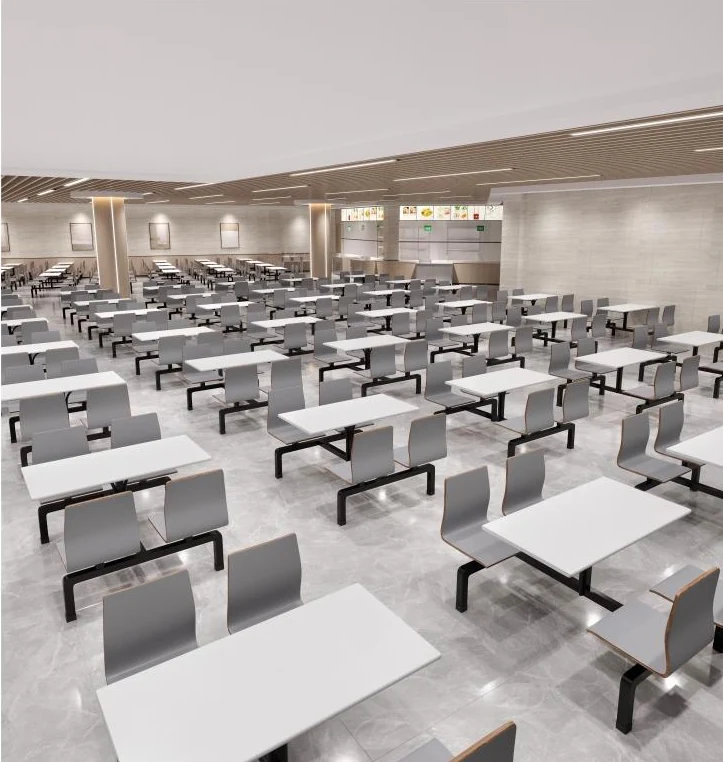
Commercial dining furniture includes different combinations of seat materials, frames, tabletops and finishes. An effective care routine starts with identifying those surfaces. A method appropriate for one finish may not suit another, even if the products look similar.
Keep a specification record
Record the model and confirmed materials when the furniture arrives. Keep the supplier’s cleaning and maintenance instructions with that record, and make them available to the staff responsible for the dining area. Ask for clarification when a care instruction or finish description is missing.
Match cleaning to the finish
Follow the care instructions for the actual product. Before introducing a new cleaning product, confirm its suitability with the furniture supplier and follow the cleaner’s directions. Do not assume that a stronger chemical or an abrasive pad will provide a better result.
Upholstered seating may require a different process from PP, stainless steel or coated wood surfaces. Keep those instructions separate and avoid treating a mixed-material piece as if every surface had the same finish.
Include visual checks
During routine cleaning, look for visible damage, loose components, unusual movement or worn protective feet. Remove a damaged item from service and ask the responsible maintenance team or supplier to assess it. Repairs and replacement parts should match the product specification.
Treat powered tables separately
Motorized dining tables require the operating and care instructions for the supplied mechanism. Ask for these documents when ordering, together with the confirmed electrical specification for the destination. Staff should follow those instructions instead of applying a general furniture-cleaning routine to powered components.
Plan for ongoing use
A short, consistent record of checks and reported issues helps a team notice recurring problems. When requesting support, include the catalog model, a description of the issue and clear photographs. This gives the supplier a better starting point for identifying the appropriate next step.